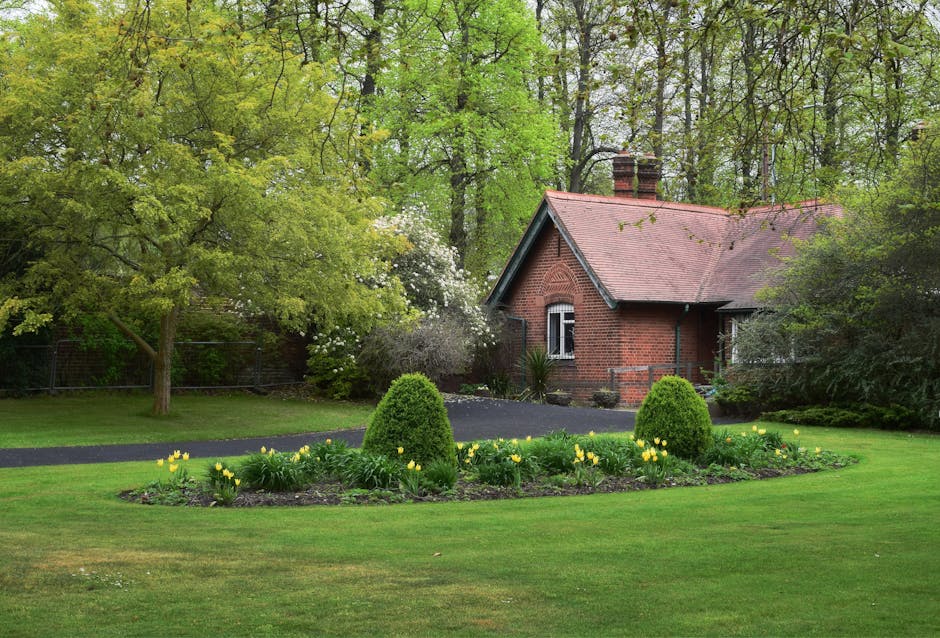
Harringay estate gardens top local gardener case study

If you manage, own, or simply care about an estate garden in Harringay, you already know the job is rarely just "mow and go". Shared green spaces need rhythm, judgment, and a proper plan. That is exactly why a Harringay estate gardens top local gardener case study is useful: it shows how a well-run garden can move from tired and uneven to neat, usable, and easier to maintain without making bold claims or pretending every site is the same.
In practice, estate gardens often face the same mix of problems: patchy lawns, overgrown hedges, awkward access, bins and foot traffic, tired planting, and seasonal growth that seems to double overnight. A good local gardener does not just trim things back. They look at how the space is used, what the residents need, what the site can realistically support, and how to keep standards consistent week after week. Sounds simple. It isn't always.
This article breaks down what a strong case study should demonstrate, how estate garden maintenance works in real life, what benefits matter most, and how to judge whether a gardener is actually the right fit for a shared residential setting. You will also find a checklist, a practical comparison, and the kinds of mistakes that quietly cause most garden headaches in the first place.
Why Harringay estate gardens top local gardener case study Matters
Estate gardens in Harringay tend to be more visible than people expect. They are seen every day by residents, visitors, delivery drivers, and anyone walking through the shared space. That means the garden is not just decorative. It affects first impressions, daily comfort, and even how well residents feel the whole property is being looked after.
A strong local gardener case study matters because it gives a real-world picture of what good care looks like in a shared setting. Not just the tidy after-photo, but the thinking behind it. For estate managers, residents' associations, landlords, and housing committees, that matters because it helps separate genuine expertise from a quick quote and a nice-sounding promise.
To be fair, many garden problems do not come from lack of effort. They come from inconsistent maintenance. A hedge gets left for too long. A lawn is cut too short in summer and struggles afterwards. Planting gets crowded. Debris builds up after storms. A local gardener who understands estate rhythms can prevent that slow decline before it becomes an expensive reset.
There is also a local factor. Harringay gardens deal with the usual London pressures: limited access, compact plots, shaded areas between buildings, and the need to keep pathways clear and safe. A gardener who knows how to work around those constraints is usually far more valuable than someone treating the site like a one-off domestic back garden.
For many properties, the real question is not whether the space can be improved. It is whether the improvement can be kept up. That is where the case study approach becomes genuinely useful. It shows what happened, what was prioritised, and what maintenance plan made the difference over time.
How Harringay estate gardens top local gardener case study Works
A good estate garden case study usually follows a simple structure: assess, plan, clear, restore, and maintain. The detail changes from site to site, but the underlying process stays much the same. The best gardeners do not rush straight to the lawn mower. They start by understanding the garden as a working environment.
First comes the site review. This is where the gardener looks at access points, lawn condition, hedge growth, tree safety, borders, waste volume, and any areas that create recurring problems. Is there poor drainage after rain? Does one side of the garden get full shade and another get harsh afternoon sun? Are residents using shortcuts across flowerbeds? Small observations like these matter more than people think.
Then comes the maintenance plan. For estate gardens, this often includes a schedule for lawn mowing, edging, weed control, hedge work, seasonal tidying, and occasional clearance. In some cases, a broader package from garden maintenance and garden clearance is needed before the site can settle into a routine.
After that, the work itself is usually phased. Overgrown sections are brought back under control first, then the site is shaped and refined. This staged approach avoids the common mistake of trying to make everything perfect in one visit. That can look impressive for a day, but it often creates more follow-up work than necessary.
In a shared estate setting, communication is part of the process too. Residents need to know when work is happening, what areas may be temporarily inaccessible, and whether clippings, arisings, or tree waste will be removed or stored. A top local gardener handles that politely and clearly. Nothing flashy. Just steady, reliable coordination.
And yes, the finish matters. Clean edging, even lawn lines, properly shaped shrubs, and clear paths all change how a garden feels. You notice it straight away, especially on a grey morning when the whole space suddenly looks calmer and more cared for.
Key Benefits and Practical Advantages
The benefits of hiring the right local gardener for an estate garden go beyond appearances. A neat garden is nice, but a manageable garden is better.
- Consistency: Regular care prevents the stop-start cycle that leads to overgrowth and expensive catch-up work.
- Safer shared spaces: Clear paths, controlled hedging, and sensible pruning reduce trip hazards and blocked sightlines.
- Better resident satisfaction: People are more likely to value a property that feels maintained and respected.
- Healthier planting: Plants, shrubs, and lawns tend to respond better to steady attention than drastic one-off cuts.
- Budget control: Planned maintenance is usually easier to forecast than crisis clear-ups. Not perfect, but easier.
- Less disruption: A local gardener who works efficiently can keep noise, waste, and access issues down.
- Improved use of space: Communal gardens become places people actually want to pass through or sit in.
One benefit people often underestimate is reduced conflict. Shared estates can become surprisingly tense when the garden is always "almost sorted" but never quite right. Once the space is under control and there is a visible routine, complaints tend to drop. Not disappear completely. This is real life. But they usually ease.
Practical takeaway: the best result is not the most dramatic transformation. It is the one that stays good with less effort, less drift, and fewer emergency fixes.
If the estate needs more than routine upkeep, linking maintenance to broader improvements can help. For example, integrating hedge trimming, landscaping, or even decking services can make shared areas more usable rather than just tidier.
Who This Is For and When It Makes Sense
This kind of estate gardening work is best for people who need the garden to function well over time, not just look decent on one occasion. If that sounds obvious, well, it should. But in practice, many buyers still choose based on a fast visual impression rather than long-term fit.
You are likely in the right place if you are:
- a block or estate manager responsible for shared grounds
- a landlord or property owner with communal outdoor space
- a residents' committee trying to improve a tired garden
- a housing association or managing agent handling recurring maintenance issues
- someone overseeing a larger private courtyard or multi-property garden
It also makes sense if you are seeing the same problems every season: hedges flaring out, weeds returning quickly, lawns thinning in patches, or tree growth beginning to crowd windows and walkways. That is usually the point where reactive gardening starts costing more than a managed plan.
A local gardener is especially useful when access is awkward or response time matters. If the site needs regular attention after wind, rain, or a sudden growth spurt in spring, having someone nearby reduces delays. And in London, delays often equal extra mess. Simple as that.
One more thing: it is not only for "problem" gardens. A well-kept estate often needs less dramatic work, but more consistency. If you already have decent bones to the garden, a good gardener helps keep it that way without turning it into a project every month.
Step-by-Step Guidance
If you want a useful estate garden case study, or you are planning the work yourself, this is the basic path that usually produces the best outcome.
- Start with an honest assessment. Walk the whole site in daylight. Look at the worst bits first, not the best ones. Note access, boundary issues, overgrowth, damaged areas, and where residents naturally walk.
- Prioritise safety and access. Paths, entrances, sightlines, and any area affected by low branches should come first. A beautiful border is no use if people cannot get through safely.
- Clear the site in sensible stages. If the garden is heavily overgrown, begin with clearance before finer work. This is where garden clearance can be the right first move.
- Reset the structure. Cut back hedges, shape shrubs, define edges, and bring the lawn back to a usable condition. If there are tree-related risks or blocked light, tree lopping and removal may need to be considered carefully and safely.
- Introduce a repeat schedule. A one-off tidy does not hold for long. Agree on frequency for mowing, hedge work, seasonal cuts, and checks for weed growth or debris.
- Monitor and adjust. After the first few visits, review what is recurring. A shaded lawn may need different treatment from a sunny one. A windy corner might collect more litter and leaves than the rest of the site.
That last step is easy to skip, and it is often the most valuable one. Good estate gardening is not static. It evolves. A bit like the weather, really, except less annoying.
If you are comparing providers, you can also use the broader services overview to think through which tasks belong in a routine contract and which should be handled as separate jobs. That clarity helps avoid awkward assumptions later.
Expert Tips for Better Results
In our experience, the best estate garden results come from a few simple habits repeated well. Nothing glamorous. Just disciplined work and a bit of common sense.
1. Keep the maintenance rhythm steady
Most gardens do not fail because of one big mistake. They drift. A missed mow, then another, then the hedge waits too long, and suddenly the whole site feels behind. Regular rhythm beats sporadic heroics every time.
2. Treat the lawn as a living surface, not a carpet
A lawn in a communal garden takes more stress than a private one. Foot traffic, shade, drought, and uneven wear all play a part. Cutting too short, too often, usually weakens it. A careful local gardener will adjust height and timing rather than forcing a perfect stripe every visit.
3. Use pruning with restraint
Hedges and shrubs respond best when they are shaped gradually. Harsh cuts can leave ugly gaps and stress the plant. If a hedge has become badly overgrown, it may need staged trimming rather than a dramatic one-day reset. That is boring advice, but it works.
4. Watch the edges and borders
Edging is one of those jobs people overlook until it is done properly. Then the whole garden suddenly looks sharper. Clean lines make the space feel intentional, even if the planting itself is still settling.
5. Think about waste handling before the work starts
Clippings, branches, leaf build-up, and clearance waste can become a nuisance if there is no plan for them. If sustainability matters to your site, ask about recycling and sustainability and how green waste is handled in practice.
6. Choose clear communication over vague reassurance
If a gardener cannot explain what they will do, in what order, and how often, that is usually a red flag. You want specific answers, not a cloud of nice-sounding words.
One small reality check: the cheapest approach is often the most expensive later. A slightly more thorough visit can prevent a much bigger repair job six weeks down the line. Not always, but often enough to matter.
Common Mistakes to Avoid
Estate garden projects often go wrong in the same few ways. Knowing them in advance saves hassle, money, and a fair bit of frustration.
- Buying on price alone: A low quote means little if the schedule, waste removal, or scope of work is vague.
- Skipping the initial clearance: Trying to maintain an overgrown site without first resetting it usually leads to patchy results.
- Over-cutting lawns and hedges: Cutting too hard can make recovery slower, not faster.
- Ignoring access issues: If tools, residents, or bin routes are in the way, the work will not flow smoothly.
- Leaving decisions too late: When the garden is already out of control, every job becomes more expensive and less pleasant.
- Failing to define who does what: Shared estates can get messy when no one is sure whether a task is routine maintenance or a separate project.
Another quiet mistake is assuming a garden only needs attention in spring and summer. In reality, autumn leaf fall, winter storms, and early-year growth checks matter just as much. If the site is neglected for three months, it rarely thanks you for the break.
And yes, sometimes people expect the same result from every corner of the estate. That is just not how living spaces work. One shaded border, one sunny strip, and one heavy-traffic entrance can all need different treatment. You really do have to look closely.
Tools, Resources and Recommendations
For estate garden work, the right tools are less about looking professional and more about getting repeatable, neat results. A competent gardener usually relies on a mix of cutting, clearing, edging, and transport tools that suit the site rather than a one-size-fits-all kit.
Typical practical requirements include:
- reliable mower equipment suited to the lawn size and condition
- hedge tools that can shape rather than shred growth
- pruning tools for shrubs and light tree work
- hand tools for border refinement and weed removal
- waste bags, barrows, or collection methods for debris control
- safety gear appropriate to the task and the site
If the estate garden has a more structural side to it, such as paved seating, raised areas, or worn hardscape features, improvements may involve landscape gardening or more general landscaping. That is especially relevant where the garden needs to be easier to maintain, not just prettier.
For larger or more complex sites, a simple written maintenance plan is one of the most useful resources you can have. It does not need to be fancy. It just needs to say what is done, how often, and who is responsible for follow-up. A page or two can save a lot of awkward back-and-forth.
Law, Compliance, Standards, or Best Practice
Estate garden work in the UK sits in the practical world of best practice, duty of care, and sensible risk management. The exact obligations depend on ownership, tenancy arrangements, and site-specific circumstances, so it is wise to avoid sweeping assumptions.
What does matter in a general sense is safe working practice. Shared gardens often have residents walking through them while work is ongoing, so clear communication, proper tool use, and hazard awareness are important. If trees are involved, it is sensible to treat any significant pruning or removal carefully and to seek appropriately trained help rather than guessing.
Good contractors should also be clear about insurance and safety arrangements. That is not just paperwork. It is part of professional trust. If a team is working near pathways, buildings, or parked vehicles, you want to know the basics are being handled properly. For more detail, it is worth reviewing a provider's approach to insurance and safety and health and safety policy.
Other useful best-practice points include waste separation, careful use of equipment around residents, and respect for neighbouring properties. In a dense area like Harringay, noise, timing, and access can matter almost as much as the gardening itself. A considerate professional gets that without being told twice.
If there is a service agreement, it should be read properly. Tiny issue, huge impact. The boring bits are usually where the misunderstandings hide.
Options, Methods, or Comparison Table
When estate gardens need attention, you usually have three broad approaches: ad hoc tidy-ups, scheduled maintenance, or a full refresh followed by maintenance. Each can work, but only in the right situation.
| Approach | Best for | Strengths | Limitations |
|---|---|---|---|
| Ad hoc tidy-up | Small issues, one-off events, or short-term fixes | Quick to arrange, useful for immediate presentation | Problems often return fast; less reliable for shared sites |
| Scheduled maintenance | Most estate gardens and communal spaces | Predictable, consistent, easier to budget and manage | Needs commitment and clear scope |
| Full refresh then maintenance | Overgrown, neglected, or awkwardly arranged gardens | Resets the site and improves long-term usability | More disruptive at the start; may cost more initially |
For many Harringay estates, scheduled maintenance is the sweet spot. It keeps the garden under control without forcing a full restoration every year. If the site is in poor shape, though, a one-off refresh may be the sensible first step before a maintenance cycle begins.
There is no magic answer. Just the right method for the state of the garden. That sounds almost too obvious, but people forget it all the time.
Case Study or Real-World Example
Here is a realistic example based on the kind of work often seen in estate gardens, without pretending it is a specific named customer story.
A Harringay estate with shared front and rear gardens had become difficult to manage. The lawns were uneven, the hedges had started to spill over the edges, and the rear access path felt cluttered with cuttings and seasonal debris. Residents were not asking for anything grand. They just wanted the space to feel cared for again.
The first visit focused on control. Overgrown sections were cut back, the lawn was brought to a manageable level, edges were redefined, and the worst debris was removed. The gardener then flagged a couple of areas where shade and foot traffic were affecting grass recovery. That meant the follow-up plan had to be practical, not idealistic.
After the reset, the site moved onto a routine schedule with regular mowing, hedge trimming, border checks, and periodic tidy-ups. The change was not dramatic in a flashy way. It was calmer than that. By the third or fourth visit, the garden felt coherent again. People could see where the boundaries were, the entrances looked less scruffy, and the whole place had a more settled feel.
That is usually what a strong case study proves. Not perfection. Reliability.
And honestly, that is what most estate gardens need. Reliable care, done properly, without a lot of drama.
Practical Checklist
Use this checklist before you commission work or review a gardener's approach.
- Have you walked the whole estate garden and noted the worst problem areas?
- Do you know whether the site needs clearance, ongoing maintenance, or both?
- Have access points, paths, and resident movement been considered?
- Is the lawn condition realistic for regular mowing, or does it need a reset first?
- Are hedges, shrubs, and trees causing shade, obstruction, or safety concerns?
- Has waste removal been discussed clearly?
- Is the schedule frequent enough to prevent overgrowth between visits?
- Do you understand what is included in the work and what is extra?
- Has the provider explained safety, insurance, and on-site working practices?
- Is there a simple way to review the results after the first few visits?
If you can tick most of those off, you are usually in a much better place. If not, that is fine too. It just means the brief needs tightening before work begins.
Conclusion
A Harringay estate gardens top local gardener case study is most valuable when it shows more than a neat finish. It should show judgment, consistency, and a sensible plan for keeping a shared space healthy over time. That is the difference between a temporary tidy-up and proper garden care.
For estate managers and residents, the best result is usually simple: clearer paths, healthier growth, less mess, and a garden that feels easy to live around. Not perfect. Just properly looked after. And truth be told, that is a very good outcome for any communal garden in London.
If you are weighing up your options, start with the scope of the work, the regularity of the schedule, and the standard of communication. Those three things tell you far more than a glossy promise ever will.
Get a free quote today and see how much you can save.
When the garden is steady, the whole place feels steadier too. That's the real win.
Frequently Asked Questions
What does a Harringay estate gardens case study actually show?
It shows how a local gardener assessed the site, handled the work, and set up a maintenance routine that could be sustained. The value is in the process, not just the final photo.
Why is estate garden maintenance different from regular garden care?
Estate gardens are shared spaces, so they need consistency, access management, and clear communication. They also tend to see more wear, more foot traffic, and more pressure on presentation.
How often should an estate garden be maintained?
That depends on the site, but regular visits are usually better than large occasional clean-ups. Many gardens benefit from a steady schedule for mowing, hedge trimming, and seasonal tidy work.
Do I need garden clearance before ongoing maintenance?
If the site is heavily overgrown, yes, clearance often makes the maintenance work far more effective. It gives the gardener a proper starting point instead of asking them to work around old buildup.
What should I ask a local gardener before hiring them?
Ask what is included, how often they recommend visits, how waste is handled, whether they have insurance and safety procedures, and how they would manage a shared site with residents nearby.
Can a gardener help improve a tired communal lawn?
Yes, but the approach needs to be realistic. A tired lawn may need gradual recovery, adjusted mowing, border care, and possibly some broader landscape work rather than a quick cut.
Is hedge trimming important for estate gardens?
Very much so. Hedges often define the structure of communal spaces, and if they are left too long they can block paths, reduce light, and make the whole area look less cared for.
What if the estate garden has awkward access?
That is common in Harringay and across London. A good local gardener should plan around access, timing, and resident movement so the work stays safe and efficient.
How do I know if the gardener is the right fit?
Look for clear explanations, practical recommendations, and a sensible maintenance plan. If they can describe the work in plain English and avoid vague promises, that is usually a good sign.
Are landscaping improvements worth considering for estate gardens?
Often, yes. If the site is hard to maintain or poorly laid out, modest landscaping can make the garden easier to care for and more useful for residents.
What role does sustainability play in estate garden work?
It can matter quite a lot. Reusing organic waste sensibly, reducing unnecessary clearing, and choosing maintenance methods that support long-term plant health all help keep the site manageable.
Where can I learn more about the services available?
You can review the broader services overview and the company's about us page to understand the approach, or use the pricing and quotes page if you are comparing options for your own site.