
Lawn Mowing Haringey: Recycling and Sustainability
At Lawn Mowing Haringey we treat every lawn strip, edging cut and green heap as an opportunity to reduce waste, support local circular economy initiatives and strengthen the borough's sustainable gardening network. Our approach to eco-friendly waste disposal and the development of sustainable rubbish gardening areas is practical, measurable and community focused.Our sustainability ambitions
We set clear, ambitious targets for resource recovery: a 75% recycling target for green waste and a broader aim of diverting at least 60% of all lawn and garden material from landfill within three years. These figures are central to our planning, fleet choices, partnership agreements and daily operations across Haringey. We align with the borough's approach to waste separation and minimisation: encouraging separate food and garden waste streams, supporting communal mixed recycling where appropriate, and training crews to segregate bulky organic materials on site. Our teams follow local guidance on dry recycling, organic caddies and responsible disposal pathways to ensure that garden cuttings, turf and plant trimmings are managed in line with Haringey and neighbouring borough strategies.
To make reuse and recycling tangible we maintain close relationships with local transfer stations and civic recycling centres that service north London. We use authorised municipal transfer points and compliant waste parks to route green waste for processing, composting or energy recovery. By specifying responsible transfer stations we reduce the risk of contamination, speed up turnaround and increase the proportion of material that can be reclaimed as compost or recycled woodchip.
Low-carbon fleet and site efficiency
Our Haringey lawn services operate a fleet that prioritises low-carbon vans and energy-efficient machinery. We deploy electric and hybrid vehicles where routes and charging infrastructure allow, and supplement with modern Euro-standard diesel vehicles when longer trips to transfer stations are required. Low-emission transport directly lowers the carbon footprint of each job and supports quieter, cleaner streets when working in residential areas.We also invest in route optimisation software, regular maintenance to keep engines efficient, and lightweight trailers to cut fuel use. Where possible, we schedule collections to coincide with municipal pickup days or community recycling events so that material transfer is consolidated and carbon emissions from multiple trips are avoided.
 Partnerships with charities and community projects are at the heart of our reuse strategy. Rather than simply disposing of useful items, we coordinate donations of surplus turf, planters, hand tools and untreated timber to local allotments, community gardens and social enterprises. These partnerships create a second life for materials, support food-growing initiatives and help neighbourhood groups build resilient green spaces.
We run regular collections for charity partners and community composting hubs and maintain an approved list of recipients to ensure materials are accepted and used. Our sustainable rubbish gardening area concept includes swap benches at community hubs, compost sharing programs and seedling exchanges that favour local biodiversity and encourage residents to repair, reuse and recycle before they replace.
 Operationally, our sustainable practices include:
- On-site segregation: Crew training to keep green waste separate from plastics and general refuse.
- Composting priority: Sending suitable material to in-village or local council composting facilities rather than residual streams.
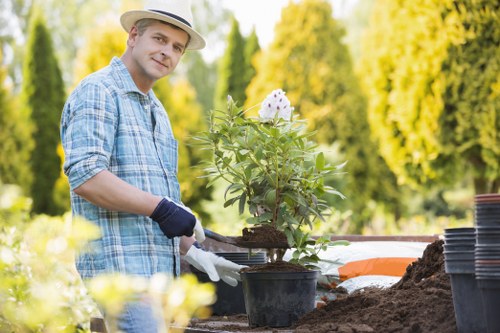
- Reuse routing: Identifying and diverting reusable turf, plant pots and timber to charities or community projects.
- Transparency and measurement: Regular audits that track recycling percentage, diversion rates and emissions from collection vans.
We report performance against our targets so clients and neighbours can see progress: monthly internal metrics and annual summaries show green waste recycling rates, number of charity consignments and reductions in vehicle CO2 equivalent. This data-driven approach helps refine the service and supports our commitment to continuous improvement in the sustainable management of garden waste in Haringey.
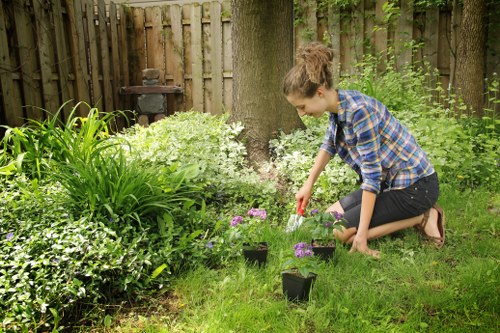
Educational outreach is another pillar: our teams provide short, practical advice for residents on how to prepare materials for recycling, why segregation matters, and how to create a small sustainable rubbish gardening area at home using compost bins, mulching and rainwater capture. These small changes multiply when shared across terraces, estates and community green spaces.
By combining a strong recycling percentage target, collaboration with local transfer stations, active partnerships with charities and a modern low-carbon vehicle fleet, Lawn Mowing Haringey aims to set a practical example of sustainable lawn care in the borough. Whether you need routine grass cutting, a one-off garden clear out or help establishing a sustainable gardening area, our focus remains on reducing waste, boosting reuse, and delivering greener services across Haringey.